
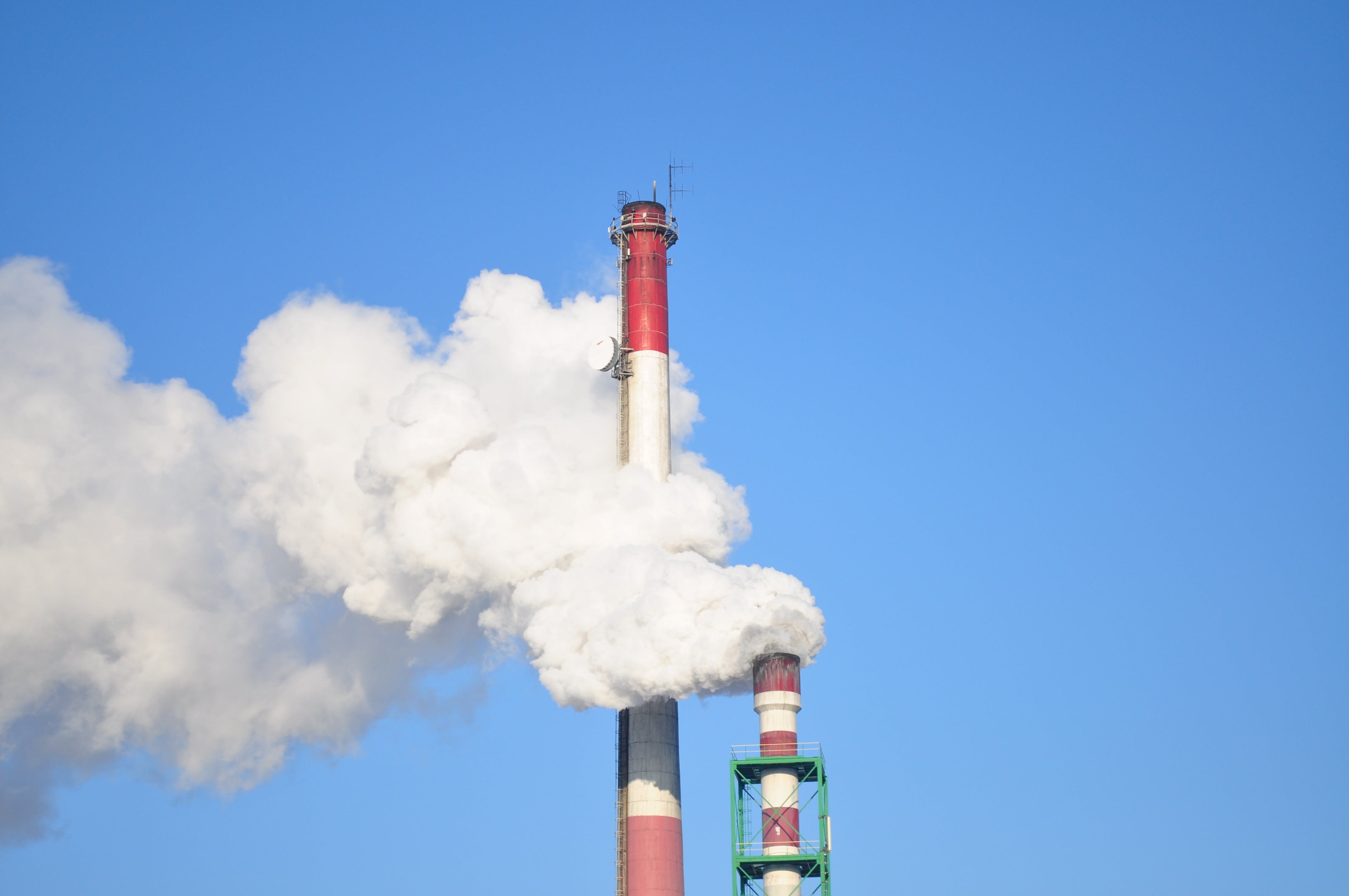
The Vital Role of the Clean Air Act in Mitigating Air Pollution and Fostering Emission Reduction Credit Markets
In the current environmental landscape, the significance of clean air for sustaining life is paramount. Unfortunately, escalating air pollution levels pose a significant threat to public health, contributing to millions of premature deaths annually. This scenario underscores the necessity for effective environmental policies and solutions.
The Introduction of the Clean Air Act
To combat rising air pollution levels, the Clean Air Act was introduced in 1970. This critical legislation aims to reduce pollution levels and mitigate their harmful consequences. It has catalyzed numerous opportunities for U.S. companies to innovate and transition toward cleaner technologies, positioning the country as a leader in environmental technology adoption.
Understanding the Clean Air Act
The Clean Air Act’s primary goal is to protect public health and ensure national welfare by mandating the U.S. Environmental Protection Agency (EPA) to establish air quality standards. These standards, based on scientific advancements, cover common pollutants like ozone, nitrogen dioxide, lead, sulfur dioxide, particulate matter, and carbon monoxide. States are required to develop enforceable plans to meet these standards and manage emissions that affect downwind areas.
The Act’s Impact on Pollution Reduction and Technology
Key provisions of the Clean Air Act target pollution from motor vehicles and industrial plants, requiring stationary sources to utilize advanced technologies for meeting air quality standards. The Act has been instrumental in driving technological innovation and enhancing environmental sustainability across various industries.
Emission Reduction Credit Markets under the Clean Air Act
The Clean Air Act facilitates the establishment of Emission Reduction Credit (ERC) Markets by providing a regulatory framework for market-based mechanisms within State Implementation Plans (SIPs). These markets reward entities exceeding compliance requirements, allowing them to generate and trade ERCs. Such markets offer flexibility in compliance, promote regional cooperation, and foster innovation, thus creating economic incentives for cleaner air.
What are ERCs and Their Importance
An ERC represents a credit earned by a company or state for reducing air emissions beyond mandated limits, serving as an asset for use or sale. Understanding emission offsets is crucial, as they involve compensating for emissions in one area by reducing them in another.
Benefits of Using ERCs
- Cleaner Air: ERCs mandate continuous air pollution reduction.
- Greater Profits: ERCs possess market value and can be traded for cost reduction during expansion.
- Enhanced Reputation: Earning ERCs boosts local and national goodwill due to environmental responsibility.
Generating and Trading Emission Reduction Credits
The process of generating ERCs involves understanding emission requirements, establishing a baseline, implementing reduction measures, monitoring emissions, verifying reductions, quantifying ERCs, ensuring certification and documentation, maintaining records, and utilizing ERCs for trading or compliance. The ERC trading process in non-attainment areas is regulated to ensure transparency and accountability, supporting local air quality improvement.
Working with Air Quality Consultants for ERC Transactions
Partnering with Air Quality Consultants provides a comprehensive solution for navigating Emission Markets. Our expertise in managing the complexities of these markets ensures optimized market coverage, risk management, streamlined transaction processes, and secure transactions through an escrow funds mechanism. We ensure that ERC transactions are well-managed, risk-mitigated, and efficient.